Flavor Genome Project
2015–present
Role · Founder
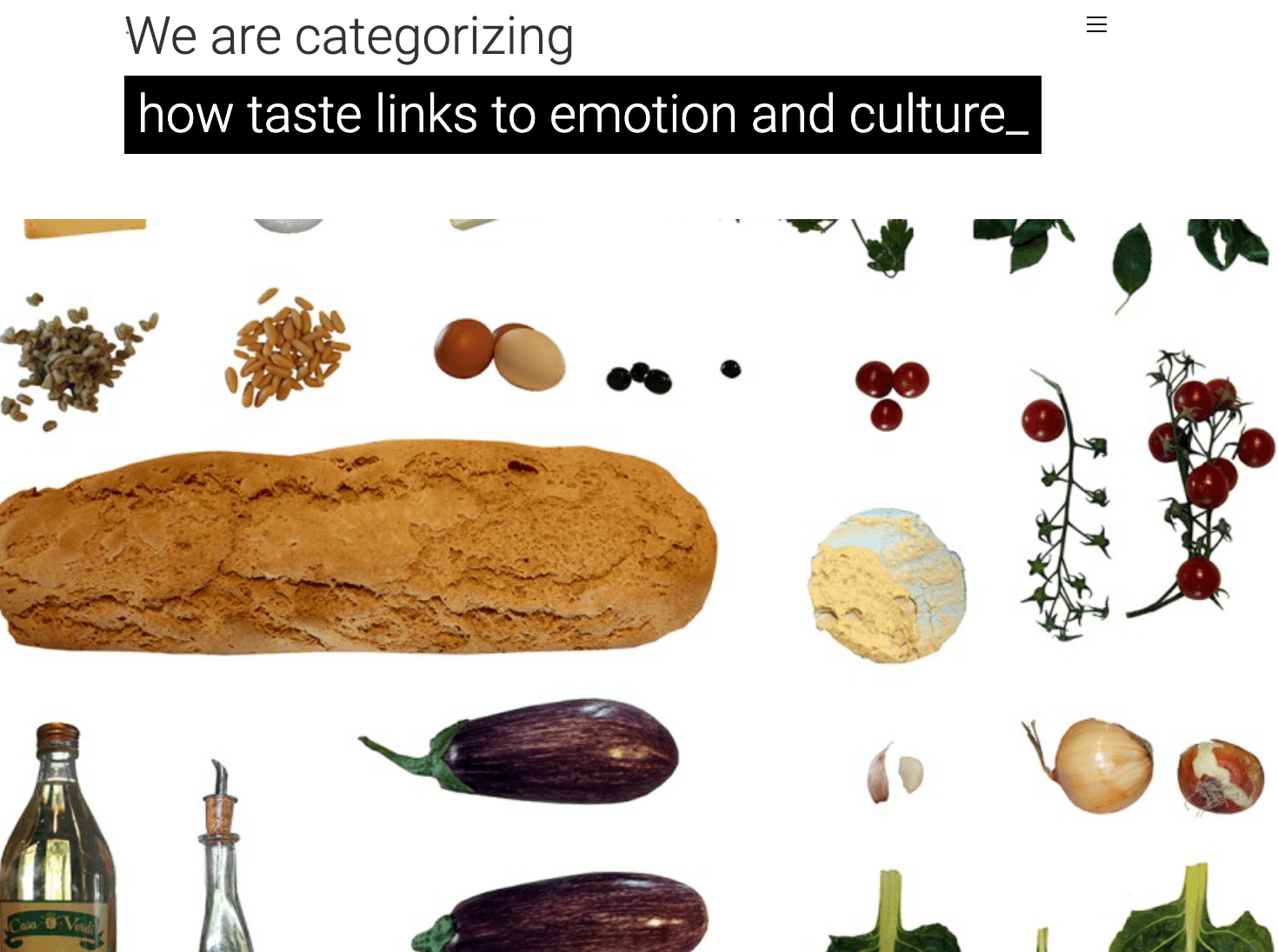
The Flavor Genome Project explores how components of flavor combine to create multi-sensory, chemical, emotional, and cultural experiences. By 2019, the project was processing over a billion data points connecting recipe data, natural language reviews, ingredient flavor compounds, nutrition information, and historical chef preferences.
The project uses natural language processing to identify data-driven ‘genres’ of flavor experiences beyond traditional categories like ‘Italian’ or ‘Mexican,’ based on how ingredients and dishes are described by experts, scientists, and reviewers.
The initial idea has roots in training for international tasting competitions with the Cambridge University Blind Wine Tasting Society (2007–2010), where I was a top-four finalist for the Lafite-Rothschild competition and won the 2009 Bollinger competition. The inspiration was to extend human memory — professional tasting training helps people intuitively experiment with new flavors, but it’s difficult to remember all possible flavor data.
In 2017, the software was blind-tested against sommeliers in a pairing dinner with Chef Tracy Chang of Pagu. The software won both strong-preference courses. Later that year, a collaboration with the MIT Museum for the sold-out Food for Thought exhibition showcased software-generated pairings that ‘surprised and delighted guests.’
Precursor projects — InJoy (2015) and Amalgam Flavor Pairing API (2016) that evolved into the Flavor Genome Project, and Feelings for Dinner (2015), a collaboration with Chef Chang testing the earliest version of the pairing software.
Powered the scoring mechanisms of Chef League. Press: New York Times, Boston Globe, NBC, Seattle Times, VentureBeat, Hackernoon, Tapsmart, Harvard SEAS. By 2019, processed 1B+ data points from 1M+ recipe reviews. 2017: software won both strong-preference courses in a blind pairing dinner against sommeliers with Chef Tracy Chang (Pagu).